Integrative medicine for complex health journeys — from a doctor who lives one too.
Whole-person, trauma-informed care for complex chronic illness.
Where to start
Where would you like to begin?
Living with complex illness
Whether you have a diagnosis or are still searching for answers, you're not alone — and your experience is not "all in your head." Start with my story, and the resources I'm building for the journey.
Curious about integrative, trauma-informed care — or want to work together to change how complex illness is treated? Learn about my approach and how we might connect.
A practical, twelve-step guide to navigating complex illness in a fragmented healthcare system. Pre-order to receive early chapters and updates as publication approaches.
For clinicians & collaborators
Read "Patient Badass"
About Joanna Bauer-Savage
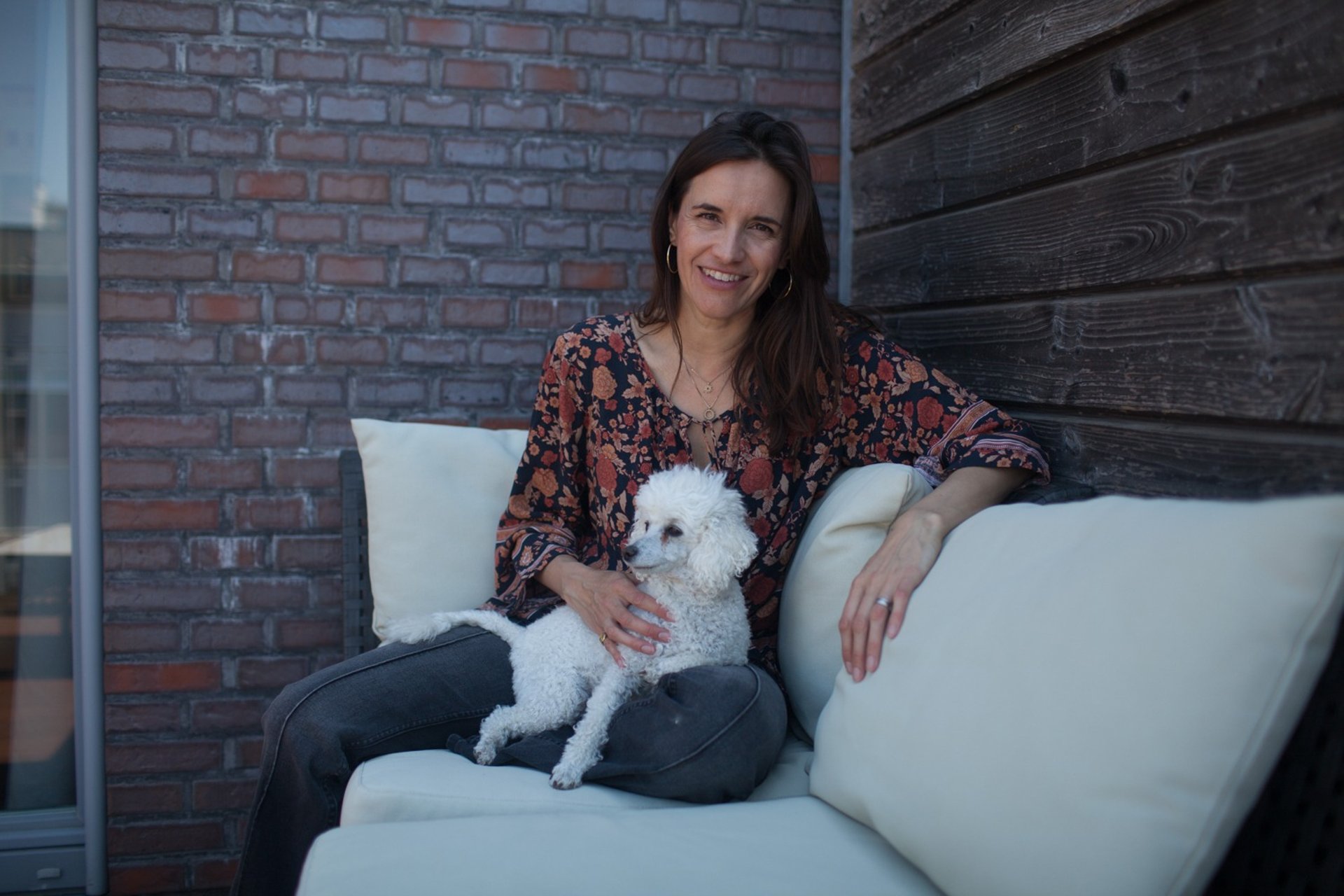
I live with both hEDS and MCAS myself. I don't just manage them; I thrive with them. That dual perspective, as both physician and patient, shapes everything I do.
My work is for people navigating complex, multi-system illness, and for clinicians who want to support them better.
Twelve years ago I was discharged from rheumatology after reaching remission from seronegative spondyloarthritis. More recently, an integrative approach has been central to my own healing from HPV-16 — the most aggressive high-risk strain — which I have since cleared against an initially unfavourable prognosis. I am now working integratively to reverse the pre-cancerous cervical changes it caused.
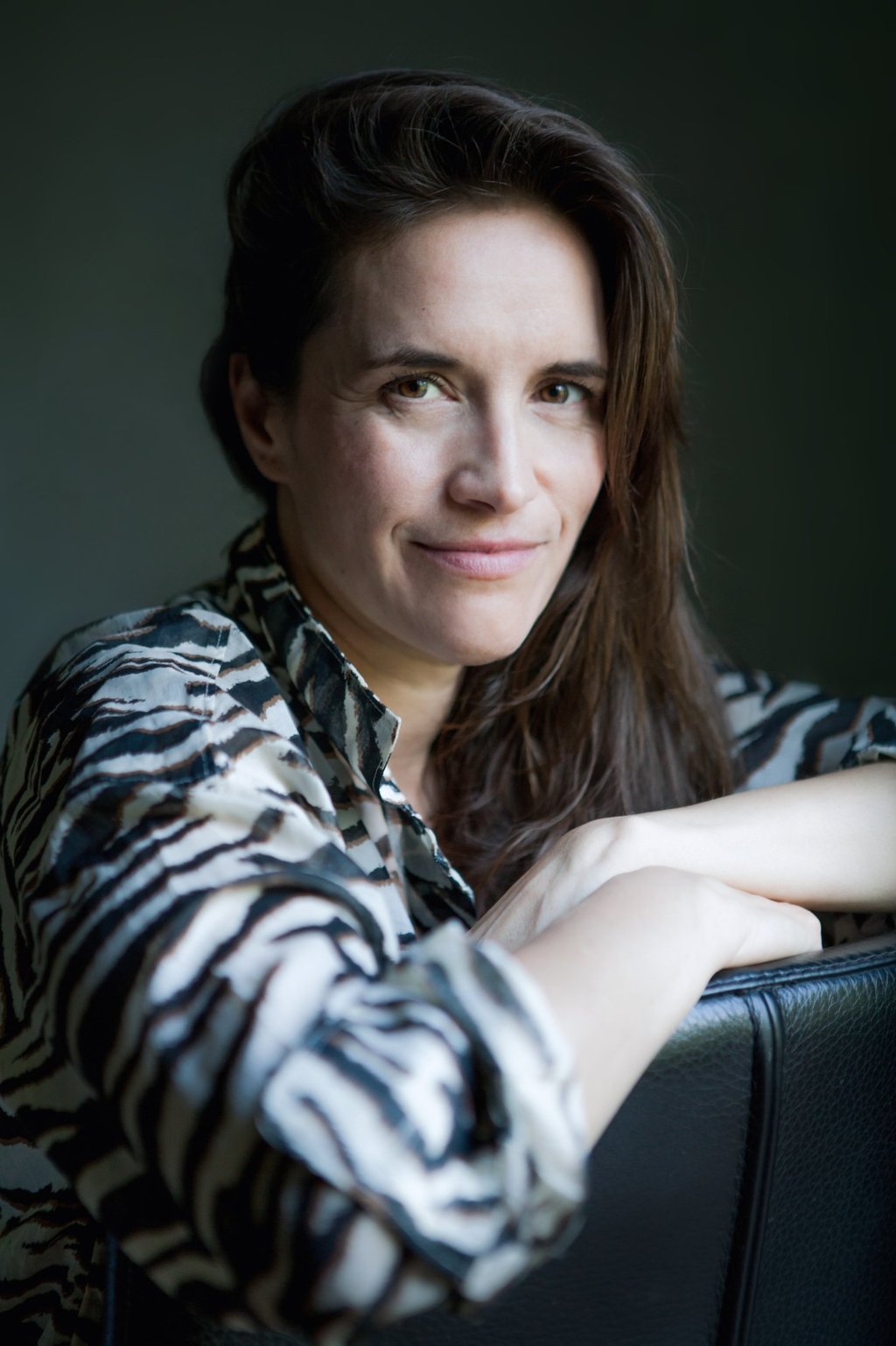
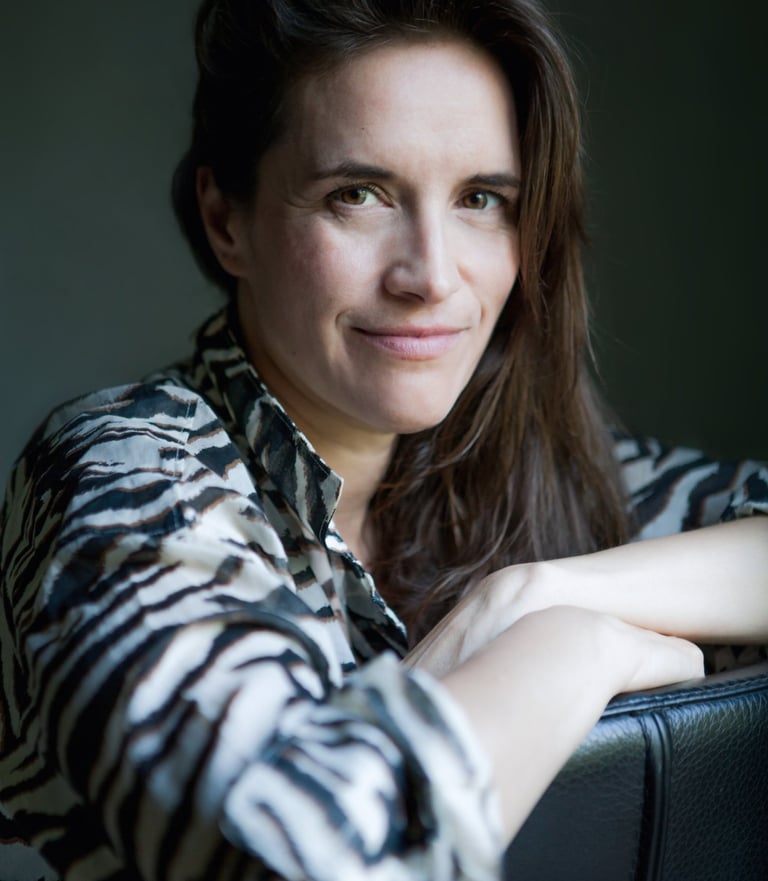
The most defining experience of my life was the traumatic birth and near-death experience (NDE) of my first child, who is now a thriving young adult. The medical trauma I carried from that, layered with experiences as both patient and physician, became post-traumatic stress disorder (PTSD) that I have since healed. It is the reason trauma-informed care sits at the centre of my practice.
I trained in medicine in Ireland and Berlin, and previously ran my own integrative medical practice in New Zealand, working with patients with complex chronic illness.
Read my full story →
If this resonates, keep in touch. Sign up below for early chapters of Patient Badass and updates as this work grows.
Joanna Bauer-Savage is an integrative medical doctor based in Berlin, Germany, working in English and German.
She combines clinical science with lived experience to support people navigating complex health journeys, including those living with hypermobile Ehlers-Danlos Syndrome (hEDS) and Mast Cell Activation Syndrome (MCAS).
A 12-part guide to reclaiming your health in a fragmented healthcare system.
Part practical guide, part memoir — Patient Badass draws on what I have learned as both patient and physician about how to reclaim your health when the system around you is fragmented and overwhelmed.
Twelve chapters. Twelve aspects of an integrative medical approach, drawn from clinical science and from my own healing. Together they offer a way back to agency, hope, and a sustainable model of care — for anyone navigating complex illness, and for the health professionals who care for them.
Patient Badass
Your personal guide to transformational healing.
No spam. Unsubscribe any time.
Start your healing journey now.
Sign up for early chapters, behind-the-scenes notes from the writing, and updates as Patient Badass moves toward publication.
Patient Badass will be released in early 2027.
My approach
Integrative medicine, as I practise it, is an approach to healing that takes the whole person seriously. It brings together the best of conventional medicine with nutrition, lifestyle, nervous system work, and the other dimensions that shape human health — body, mind, environment, relationships, meaning — drawn from clinical evidence, observation, and experience.
What I mean by integrative medicine
It is about transformational healing: working with what is actually driving illness, rather than only its surface. It is individualised — designed around the person in front of me, the life they are living, and what they are trying to move toward. And it is deeply collaborative: a partnership between practitioner and patient, and between the practitioners themselves. It is the medicine I needed when I was the patient — and it is the medicine I now practise as a doctor.
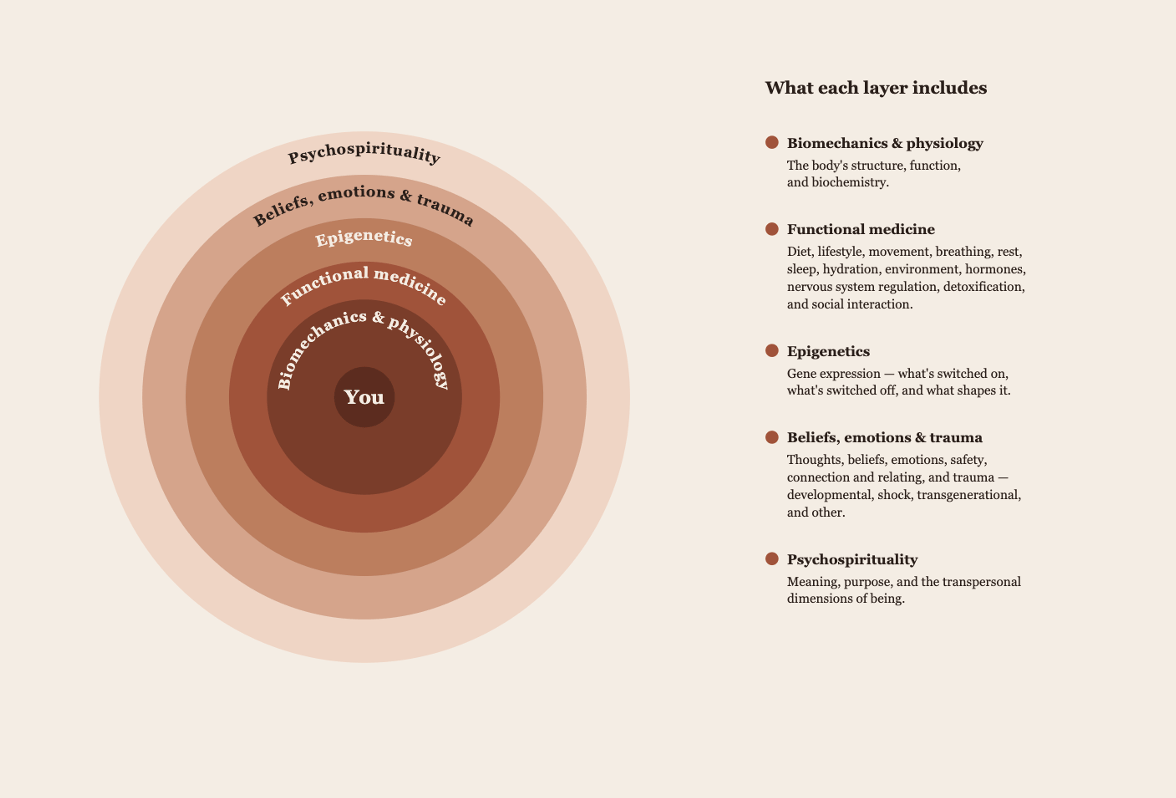
A trauma-informed approach is essential to all of this. So is the model itself: health practitioners who partner with the person they're caring for — and with each other — rather than working in isolation around a patient who has to coordinate their own care.
This is the foundation of Patient Badass and of my work with patients and colleagues.
Learn more about my approach →
Who my work is for
My work is for people navigating complex, multi-system illness — the kind of illness that doesn't fit neatly into one speciality, requires more time and integration than most systems allow, and often leaves people exhausted from coordinating their own care.
That includes conditions I have particular expertise in:
Hypermobile Ehlers-Danlos Syndrome (hEDS)
Mast Cell Activation Syndrome (MCAS)
Autoimmune disease
But you don't need a named diagnosis to be in the right place. Many people I write for and work alongside have been searching for years, hearing "your tests are normal" while knowing something is wrong. My work is for them too.
I also bring particular attention to medical trauma — the wounding that can come from prolonged illness, dismissive care, and the medical system itself. I am not a trauma therapist, but my own healing journey has taught me how often unaddressed trauma sits underneath chronic illness. Where it matters, I help patients recognise it and find the specialists who can do the deeper trauma work.
Why this matters
After more than twenty years in medicine — first as a patient, then as a doctor, often as both — I have come to believe that healthcare needs to treat the whole person again. To integrate the best of conventional medicine with everything else that shapes a human life: nutrition, lifestyle, nervous system, environment, relationships, beliefs, and meaning.
It is the kind of medicine I needed when I was at the end of what conventional care could offer me. It is the kind of medicine I now practise. And it is the kind of medicine I am writing Patient Badass to make more available to the people who need it — and to the clinicians who want to offer it.
For patients, this means being seen as a whole person, not a list of symptoms. For clinicians, it means a more sustainable, more meaningful way to practise — one that draws on partnership rather than exhaustion. Doctors get sick too. We know the system's limits from the inside.
This isn't a rejection of conventional medicine. It is an expansion of it. And it is a model of care I believe can be sustainable, dignified, and genuinely transformational for everyone in it.
If this resonates, there are a few ways to stay close:
Stay in touch
Stay connected. Build with me.
The work I'm doing is more than a book or a clinical practice. It is about building a different conversation around complex illness, integrative medicine, and the care we all deserve — patients and clinicians alike. If you'd like to journey with me as this grows, here is where to start.
Get email from me
Choose what you'd like to receive:
A) Patient Badass updates — early chapters, behind-the-scenes notes from the writing, publication news
B) General writing and community — thoughts on integrative medicine, complex illness, and what I'm learning along the way
No spam. Unsubscribe any time.
We are journeying, building, and creating change together.
Follow
LinkedIn — professional reflections and longer-form thinking
Instagram — daily moments, the writing life, and community
Integrative medicine for hEDS and MCAS
Multisystemic and complex disease such as EDS and MCAS are best supported through an integrative medical approach.


Hypermobile Ehlers Danlos (hEDS)
"When you hear hoofbeats, think horses, not zebras", but not when it come to Ehlers Danlos Syndrom.
hEDS is a connective tissue condition affecting the body’s collagen. It can lead to joint hypermobility, pain, frequent injuries, fatigue, and instability, often alongside symptoms in other systems such as the gut, nervous system, and immune system.
hEDS is a rare disease with a prevalance higher than once thought, with an average diagnostic delay of 10-20 years.
Mast Cell Activation Syndromes (MCAS)
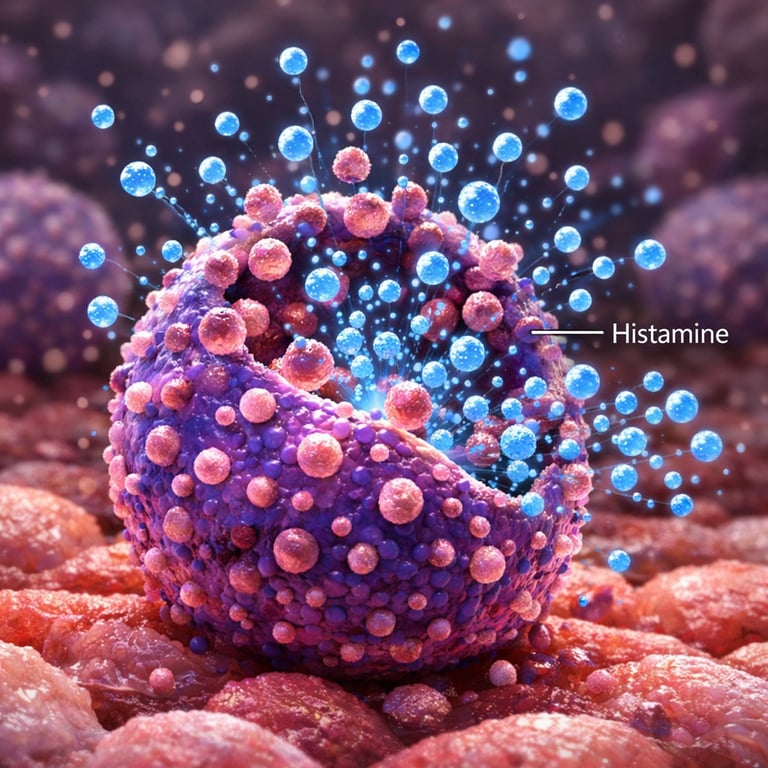
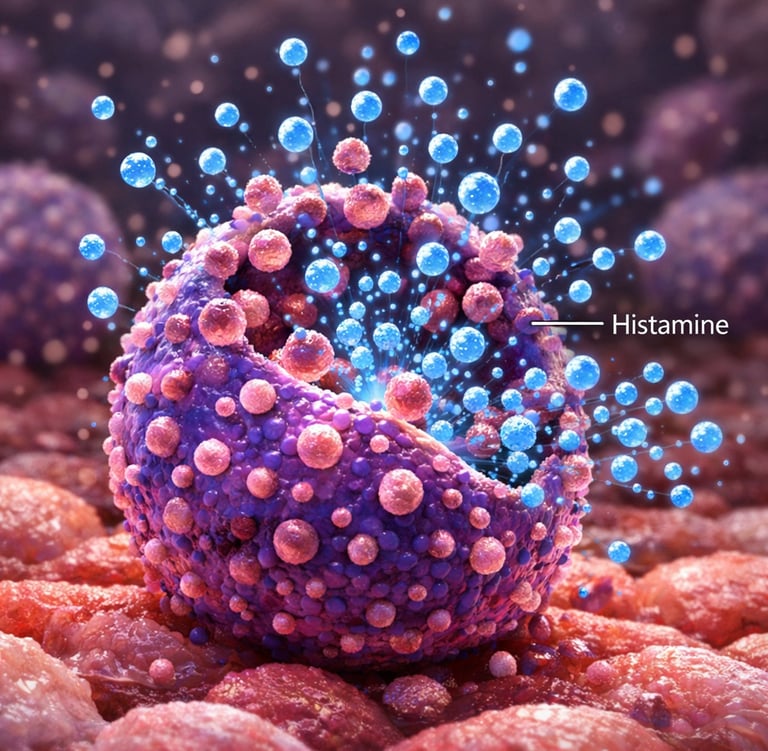
Mast cell activation syndrome (MCAS) involves an inappropriate release of chemical messengers from mast cells — including histamine, prostaglandins, cytokines, chemokines, interleukins, and heparin.
In reality, mast cells can release over 200 different mediators, which helps explain the wide range and unpredictability of symptoms across the body.
Triggers vary from person to person and may include foods, infections, medications, fragrances, chemicals, mould, temperature changes, stress, or even pressure on the skin.
Studies suggesting that up to 70% of people with hypermobile Ehlers–Danlos syndrome (hEDS)show features of mast cell activation. This overlap can help explain the complex, multi-system nature of symptoms many individuals experience.
Contact
info@joannabauersavage.com
© 2026 Joanna Bauer-Savage
All rights reserved
Joanna Bauer-Savage
10115 Berlin, Germany
Link to Wild Woman Reborn:
https://www.wildwomanreborn.com